New skills.
New perspectives.
New connections.
Nov. 9–13, 2026
New skills. New perspectives. New connections.
Nov. 9 – 13, 2026
At the TUgether – Students Future Days, you’ll spend five days gaining exciting insights into digital and transformative skills, meeting people from other technical universities, and expanding your personal skills. You can easily participate in over 30 digital mini-workshops and presentations with just a few clicks—no registration required.
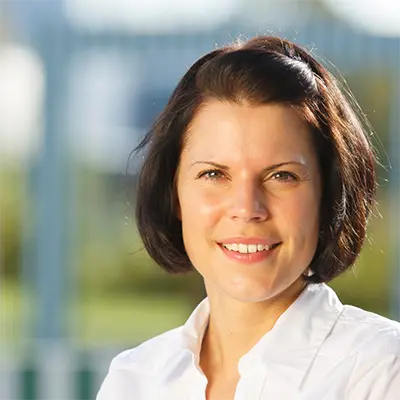
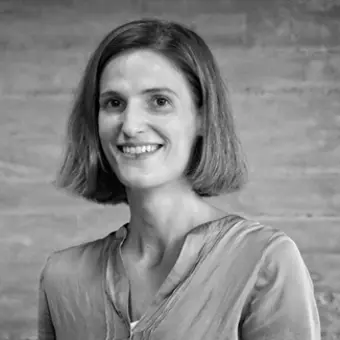
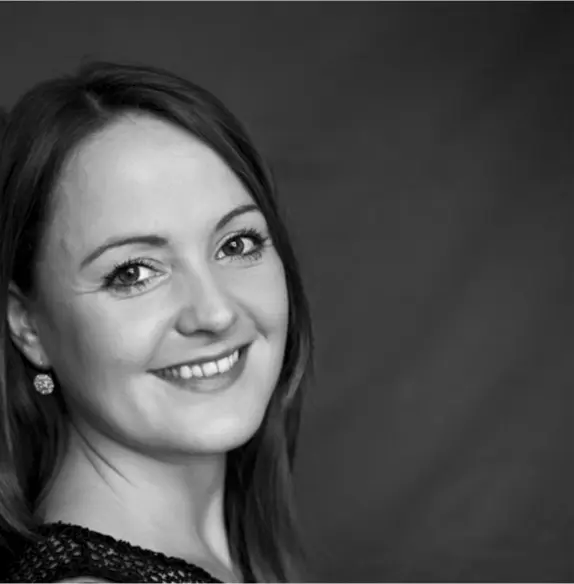
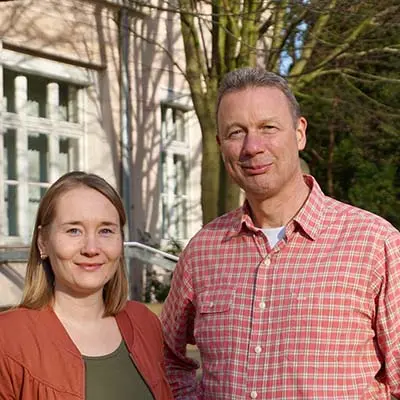
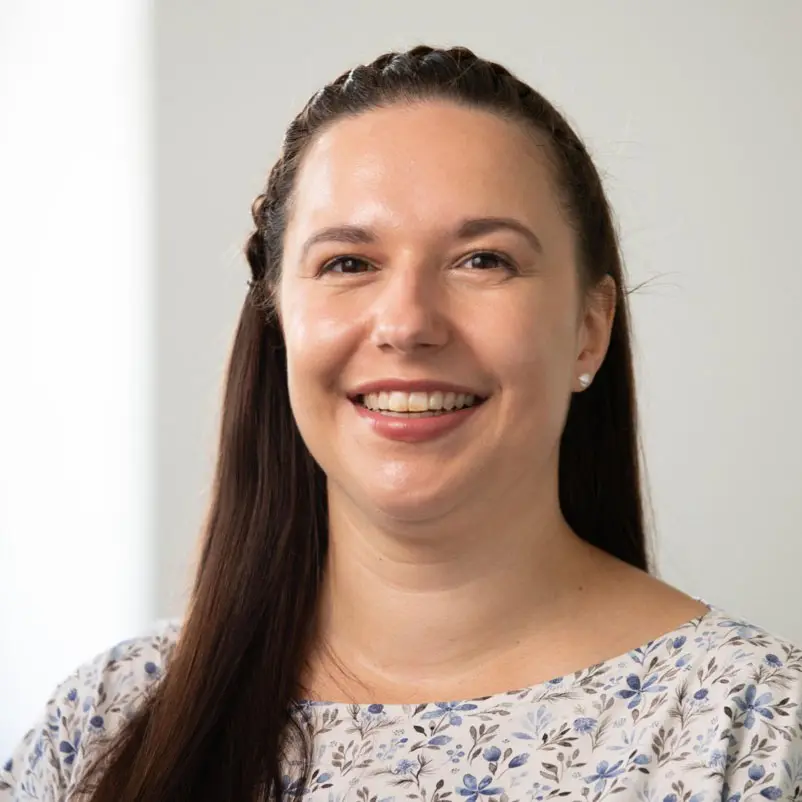
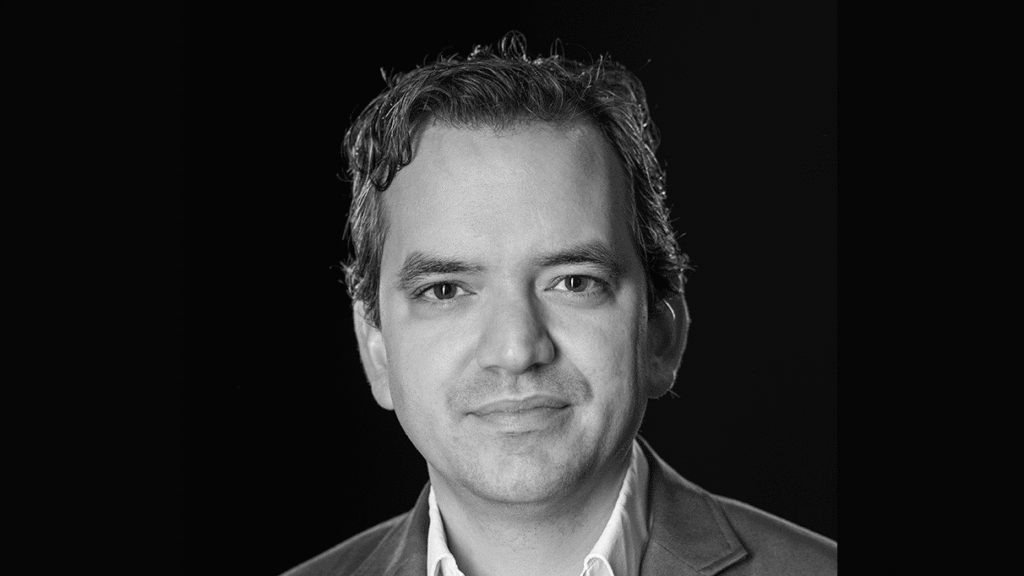
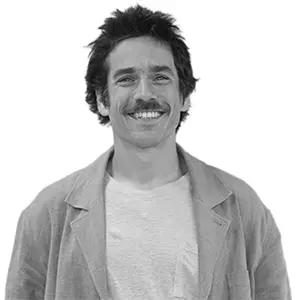
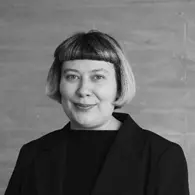
At the kick-off on Monday, November 9, 2026, at 9 a.m., Stefan Münzer, Stefanie Go, and Benjamin Paaßen will be guests presenting a new discussion paper and discussing whether AI in higher education supports self-directed learning or, on the contrary, increases the risk of de-skilling. Many interesting insights await you, and you’ll have the opportunity to ask the experts your questions directly.
Program
Monday, Nov. 09, 2026
09:00-10:30
Opening Remarks & Keynote: Digital Autonomy and AI Systems
The use of AI systems is often perceived as an extension of one’s own capacity for action. However, intensive use of AI usually means spending less time engaging with the task at hand, which can lead to a loss of existing skills (deskilling) and prevent new skills from being acquired in the first place. In the higher education context, this poses a threat to the achievement of authentic educational goals and, consequently, to students’ digital autonomy. The keynote argues for prioritizing digital autonomy in interactions with AI systems and for academic disciplines to take responsibility for fostering digital autonomy.
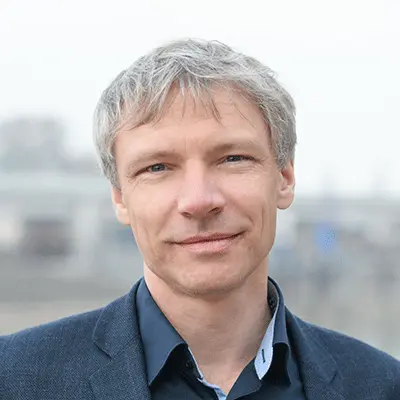
Stefan Münzer is a professor of educational psychology in the Faculty of Social Sciences at the University of Mannheim. His research focuses on learning with dynamic visual-spatial representations (e.g., in the field of spatial learning for navigation and orientation using assistive systems), the influence of cognitive abilities—particularly spatial abilities—including their interactions with instruction, self-regulated learning in higher education, including the use of digital tutoring systems, and learning in the field of music.
Stefanie Go is a research assistant at Bielefeld University, where she focuses in particular on topics in the field of educational science. From 2022 to 2025, she served as a research assistant on the BMFTR-funded collaborative project “HAnS,” in which nine German universities and three associated educational institutions jointly developed an AI-based learning platform for self-study. In her dissertation, Stefanie Go explores how AI-based learning technologies can be integrated into teaching and learning processes in higher education. She is particularly interested in the opportunities for participation that AI could open up for both instructors and students.
Benjamin Paaßen is an assistant professor of knowledge representation and machine learning at Bielefeld University, affiliated with the Educational Technology Lab at the German Research Center for Artificial Intelligence (DFKI), and a junior fellow of the German Informatics Society. Paaßen’s research focuses on interpretable, domain-informed, and explainable machine learning, particularly for educational applications. In 2025, Paaßen co-founded the research network AI and Digital Autonomy in Research and Education (AIDARE).
10:30-12:00
Reference Management with Zotero (TU Braunschweig, Andreas Weitzel)

Zotero supports you throughout your entire research and writing process in several ways. You can easily save the literature you’ve researched in your project, manage and organize the information you’ve collected in a clear and structured way, and link the project to a word processor such as MS Word. This also makes it easier for you to create citations and bibliographies. If you haven’t used Zotero before, this is your chance to get to know the program and its features.
After completing his bachelor’s degree in English and History, Andreas Weitzel earned a master’s degree in “Culture of the Technological and Scientific World” at the Technical University of Braunschweig. Since 2019, he has been teaching academic writing at the University Library of the Technical University of Braunschweig. He offers workshops on literature research and good academic practice, as well as practical courses on using AI and writing with LaTeX, and supports undergraduate and doctoral students in all aspects of academic writing in both German- and English-language courses.
CONTACT: Future Skills Lab, wasmitmedien@tu-braunschweig.de
12:30-14:00
“First Things First” — Goal-Oriented Task Planning Using the Eisenhower Matrix (TU Darmstadt, Dr. Marianne Herzberger-Nikibauer)
Urgent emails, distracting notifications, last-minute deadlines: in our everyday college life, our brains constantly fall into the “urgency trap.” We do exactly what demands our attention the most and put off the things that can truly help us move forward in the long run. The result? The feeling of treading water—and constant stress to boot. In this workshop, we’ll tackle the pitfalls of to-do lists and time management. Learn to recognize the real difference between urgent and important, and prioritize your tasks with a new mindset. Discover how you can free up time for tasks without making major changes. The goal is to view your current tasks not just in terms of the next deadline or exam, but to place them in a broader context. How exactly does that work? The Eisenhower Matrix can show you.
Marianne Herzberger-Nikibauer is known for always having several projects running simultaneously. While pursuing her degree, she earned certification as a writing consultant and team tutor, completed her doctorate part-time, and trained as a life and business coach. Her passion for teamwork and interdisciplinary collaboration shapes her day-to-day professional life in the Department of Teaching and Learning at TU Darmstadt, where she provides instructional advising and trains tutors. In all these contexts, thoughtful task prioritization and effective time management play a fundamental role in ensuring productive and effective work.
CONTACT: Dr. Maria Clippard, Hochschuldidaktische Arbeitsstelle (HDA)/Schlüsselkompetenzen, maria.clippard@tu-darmstadt.de
Meeting-ID: 668 4076 2598
Passcode: 686688
14:00-17:00
A Career with Heart (TU München, Dr. Katharina Prummer, Zsuzsanna Zimanyi)
Your bachelor’s or master’s degree is almost in the bag—so what’s next? There’s no magic formula for your career. But there is an inspiring start. Embark on a journey of discovery to explore your strengths, talents, and opportunities, and find out which path is right for you.
Instead of ready-made answers, we invite you to explore four key questions: What inspires you? What are you really good at? What does the world need from you? And how can this lead to a career that fulfills you while also providing for your livelihood?
You won’t go home with a ready-made career plan—but with greater clarity, renewed motivation, and a direction that feels right for you.
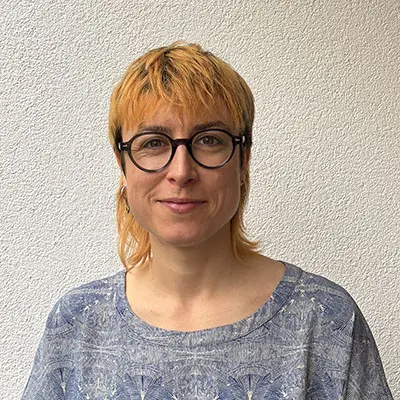
The speakers, Dr. Katharina Prummer and Zsuzsanna Zimanyi, combine academic expertise with many years of practical experience in the areas of personal development, future skills, and career guidance. Both studied at the Technical University of Munich (TUM) and currently work at the Center for Key Competencies at the TUM School of Engineering and Design. Their experience ranges from research and practical work in the areas of emotional intelligence and mentoring to international leadership programs, sports psychology, and advising elite athletes on dual careers.
CONTACT: School of Engineering and Design (ED), Zentrum für Schlüsselkompetenzen (ZSK), zsk@ed.tum.de
Meeting-ID: 370 792 003 499 86
Passcode: 5RH3Mk2f
15:30-17:00
Digital Presentations – How to Be Convincing on Camera (KIT, Kristin Wunder)
Whether it’s an online meeting, webinar, or virtual presentation: Who wouldn’t want to make a strong impression with a professional demeanor? In this 90-minute online workshop, you’ll gain insights into how to use your voice and body language effectively, hold your audience’s attention, and build a strong connection with them. Practical tips and exercises will help you feel more confident and in control in the digital space.
Prerequisites: A working camera and microphone. Since the workshop is interactive and includes practical exercises, participants must be visible and audible.
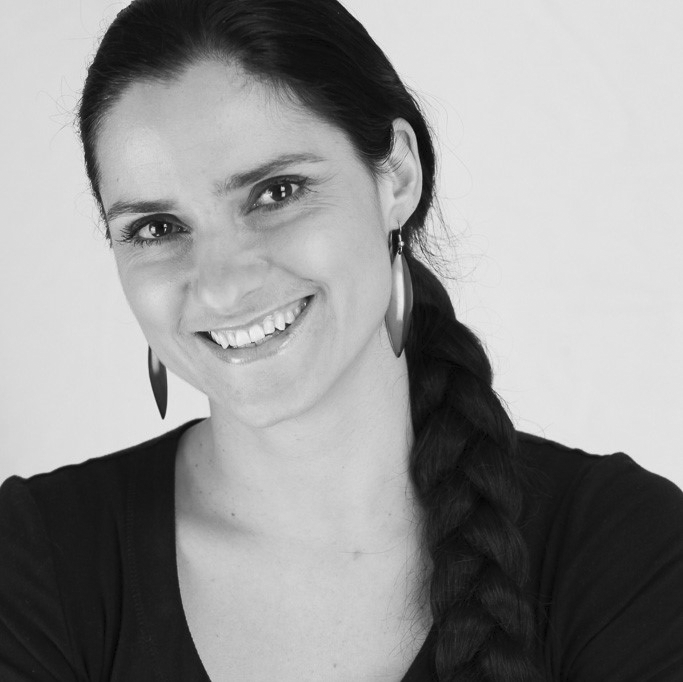
Kristin Wunder studied speech science, rhetoric, education, and psychology, and completed training in mediation and dance/psychotherapy. After 15 years as an entrepreneur, she now teaches at universities, in the business sector, in politics, and at social and artistic institutions. She also works as a speaker, writer, moderator, and artist.
CONTACT: House of Competence (HoC), info-sq@hoc.kit.edu
Tuesday, Nov. 10, 2026
09:00-10:30
Study Well - Study Successfully and Stay Healthy (Leibniz Universität Hannover, Elisabeth Noemi Sperber)
School, a part-time job, social life—and the constant pressure to juggle it all? No wonder stress and mental load often get out of hand. Here, you’ll learn how to face the challenges of everyday student life with more composure and build your resilience.
Together, we’ll explore small changes you can make to reduce your stress levels, how to set boundaries to conserve your resources, and techniques for self-reflection and self-regulation.
The workshop is a mix of presentations, discussion, and self-reflection. You’ll walk away with ideas and practical tips that can make your studies easier.
Elisabeth Noemi Sperber is a psychologist (M.Sc.) and systemic consultant. For the past three years, she has been working at the Central Office for Quality in Studies and Teaching (ZQS) at Leibniz University Hannover in the Key Competencies Department for the Learning Workshop. This department provides interdisciplinary support to students through counseling, assistance, and training programs focused on learning, self-organization, and academic success. Using resource- and solution-oriented approaches, she works with students to develop individualized strategies for self-regulated learning, structuring study and exam periods, and constructively managing the demands and stresses of everyday student life.
CONTACT: Zentrale Einrichtung für Qualität in Studium und Lehre (ZQS), Abteilung Schlüsselkompetenzen , reale@zqs.uni-hannover.de
09:00-12:00
Leading and Taking Responsibility (TU München, Birgit Theisen)
Today, leadership often begins long before someone assumes an official leadership role. Whether in project teams, interdisciplinary collaborations, or agile work environments—employees are increasingly taking on situational responsibility, coordinating collaboration, and shaping joint decisions. But what defines good leadership in a constantly changing work environment?
In this workshop, you’ll learn about current leadership approaches and explore the demands of modern leadership. Together, we’ll examine the difference between leadership and management, the influence of different generations on leadership, and the importance of motivation, team dynamics, and roles within the team. Through interactive exercises and real-world examples, you’ll develop an understanding of why there isn’t just one “right” leadership style—but rather why good leadership always depends on people, situations, and teams. The workshop offers insights for anyone who wants to take on responsibility and actively shape collaboration—today as a student and tomorrow in their professional life.
As an educator with a Ph.D. and director of the Center for Key Competencies at the TUM School of Engineering and Design, Birgit Theisen supports students in developing essential future skills for their studies and careers. Her areas of focus include leadership, personal development, and team development. In her workshops, she combines scientifically grounded insights with interactive methods and real-world examples.
CONTACT: School of Engineering and Design (ED), Zentrum für Schlüsselkompetenzen (ZSK), zsk@ed.tum.de
Meeting-ID: 361 593 464 308 964
Passcode: XQ74L9KX
10:30-12:00
Understanding and Actively Shaping Teamwork (TU Darmstadt, Christine Winter)
What actually causes frustration when working as a team—and how can we do things differently?
We’ll discuss common challenges and ways to handle them with confidence.
You’ll learn practical facilitation and methodological tips that can help you structure collaboration and tackle tasks in a focused way.
And by the end, you’ll ask yourself this intriguing question: What kind of team player am I—and how can I use that to my advantage?
Christine Winter studied educational science at TU Darmstadt, with psychology and sociology as required electives (M.A.). After working as a freelance consultant for corporate continuing education, she transitioned to the Department of Higher Education Pedagogy at TU Darmstadt. There, she trains tutors, designs and supervises interdisciplinary student projects, and helps coordinate the Skills Portal.
The workshop will be conducted in collaboration with student trainer and experienced tutor Timon Probsthain.
CONTACT: Dr. Maria Clippard, Hochschuldidaktische Arbeitsstelle (HDA)/Schlüsselkompetenzen, maria.clippard@tu-darmstadt.de
12:30-14:00
Find Your Way! A Workshop to Spark Ideas for Career Exploration (TU Berlin, Christine Herker)
Not sure yet where your career path is headed—or do you have a lot of questions about entering a challenging job market? In this interactive workshop, you’ll gain guidance, learn how to discover your strengths and develop initial ideas for suitable career paths, and explore strategies for staying motivated despite uncertainty.
Through exercises, discussions, and practical tools, you’ll figure out what suits you best and which next step will truly move you forward.
Agenda: Presentation, tips, open discussion, and Q&A session
Christine Herker has been working at the Career Service at TU Berlin since 2005. She holds two academic degrees—a Dipl.-Ing. in Food Technology (FH) and a Dipl.-Wirtschaftsingenieur (FH)—and has worked in the business sector for many years. During that time, she focused on areas such as recruiting, human resources development, and placement counseling.
Drawing on her training as a systemic coach, she offers coaching sessions to students and graduates of TU Berlin as part of her work at the Career Service. Her fundamental philosophy of coaching is that everyone is allowed to be exactly who they are. The coaching program provides a framework that enables participants to get to know themselves better and find their own way.
CONTACT: Christine Herker, Career Service, career@tu-berlin.de
Meeting-ID: 678 5381 8018
Passcode: 750154
14:00-15:30
Mental Empowerment: Inner Dialogues for a Strong Mindset (KIT, Sabrina Alves Ferreira)
We are often our own harshest critics: In everyday life, many people engage in an inner dialogue marked by self-doubt, pressure, and negative thoughts—usually completely automatically. But the way we talk to ourselves has a significant impact on our well-being, motivation, and self-confidence.
In this workshop, you’ll learn to consciously recognize and actively shape your inner dialogue. By tapping into your personal resources, you’ll develop a clear, self-compassionate mindset—leading to greater serenity and inner strength in your studies and daily life.
Sabrina Alves Ferreira holds a master’s degree (M.Sc.) in sports science and studied at the University of Paderborn and the Karlsruhe Institute of Technology (KIT), specializing in prevention and health. Since 2014, she has served as the coordinator of the LernLABOR at the House of Competence. In this role, she oversees the associated counseling services and teaches courses in stress and learning management.
CONTACT: House of Competence (HoC), info-sq@hoc.kit.edu
14:00-15:30
Don't suck up, don't beg—but still make connections—networking that really works (TU Braunschweig, Knud Ahlborn, Sarah Potstada)
Spoiler: LinkedIn alone isn’t enough. In 90 minutes, we’ll show you how to build and maintain your network and use it strategically for job applications—all without any awkwardness. Open to all students and doctoral candidates at TU9 universities. In German. No ECTS credits. But with real added value.
With a degree in history and North American studies, Knud Ahlborn entered the workforce without a clearly defined career path. After working in journalism, project management, and recruiting, his path led him to the Career Service at the Technical University of Braunschweig. There, he has been advising students, doctoral candidates, and graduates on career guidance and job applications for 17 years.
Sarah Potstada has been responsible for the semester-long event program at the Career Service at TU Braunschweig for six years. Drawing on her experience in recruiting and human resources, she develops workshops, field trips, and alumni events that support students in their career planning and the development of important future skills.
CONTACT: Future Skills Lab, wasmitmedien@tu-braunschweig.de
14:00-17:00
Unfiltered and Self-Confident – Building Self-Esteem Despite and With Social Media (TU Dresden, Mandy Gedicke)
Thanks to filters, Photoshop, and perfectly staged posts—on social media, other people’s lives often seem more beautiful and successful than our own. These constant comparisons can really take a toll on your self-esteem. It doesn’t have to be that way! In this workshop, you’ll reflect on your own social media habits in a safe space and examine how social media works. Together, we’ll develop strategies to consciously strengthen your self-esteem offline and protect it online.
Mandy Gedicke is a psychologist (M.Sc.) who specialized in the psychology of learning while she was still a student. At the Career Service of the Technical University of Dresden, she helps students develop key competencies—including learning and study skills, communication, and self-confidence. She is particularly passionate about female empowerment and students’ mental health. Through her work, she aims to support students in developing their strengths and confidently overcoming challenges both during their studies and as they enter the workforce.
CONTACT: Career Service, career.service@tu-dresden.de
15:30-17:00
Documenting and Critically Reflecting on Scientific Work with AI (KIT, Andreas Hirsch-Weber, Kevin Schumacher)
Should I, can I, or am I allowed to use AI for an academic text, and how do I document this? This workshop demonstrates how the use of generative AI in academic work can be documented in a differentiated manner across four levels—form, content, process, and methodology—ranging from a brief explanation to a complete record of individual chats. Using concrete best practices as a guide, you’ll critically reflect on where AI supports your work, where it replaces critical thinking, and where responsibility should not be delegated. We look forward to engaging in critical reflection together.
Andreas Hirsch-Weber, M.A., Director of the Writing Lab at the House of Competence at the Karlsruhe Institute of Technology. There, he develops teaching and research concepts for academic writing in STEM subjects and AI, for teaching good academic practice, for information literacy, and for student competency development. Hirsch-Weber is a founding member of WAK-MINT-Schreiben and publishes primarily in the field of product-oriented writing studies.
Kevin Schumacher is a research assistant and subject specialist at the KIT Library and the Writing Lab at the House of Competence at the Karlsruhe Institute of Technology (KIT). He works on research projects related to writing and research using large language models (llm-literacy.de) and conducts research, publishes, and gives talks on LLM literacy, artificial intelligence, and skill acquisition; the impact of AI on information systems; issues of epistemic justice and information sovereignty; and the ethical implications of AI.
CONTACT: House of Competence (HoC), info-sq@hoc.kit.edu
Wednesday, Nov. 11, 2026
09:00-10:30
How do I learn with AI? (Leibniz Universität Hannover, Elisabeth Noemi Sperber)

If you’re curious about how artificial intelligence (AI) can positively influence and enrich your learning, then this 90-minute online workshop is just right for you.
We’ll explore what AI is, the benefits it offers, and its limitations. You’ll have the opportunity to try out prompts for shaping your learning and time management in a hands-on way and to exchange ideas with other students about their experiences and tips. You’ll also learn about applications that are well-suited for specific tasks. Of course, your questions are more than welcome.
Elisabeth Noemi Sperber is a psychologist (M.Sc.) and systemic consultant. For the past three years, she has been working at the Central Office for Quality in Studies and Teaching (ZQS) at Leibniz University Hannover in the Key Competencies Department for the Learning Workshop. This department provides interdisciplinary support to students through counseling, assistance, and training programs focused on learning, self-organization, and academic success. Using resource- and solution-oriented approaches, she works with students to develop individualized strategies for self-regulated learning, structuring study and exam periods, and constructively managing the demands and stresses of everyday student life.
CONTACT: Zentrale Einrichtung für Qualität in Studium und Lehre (ZQS), Abteilung Schlüsselkompetenzen , reale@zqs.uni-hannover.de
09:00-12:00
Working in a Structured Way – Cycle-Based Study Methods During Your College Years(TU Dresden, Antonia Freesemann)
Menstruation and premenstrual syndrome (PMS) can significantly disrupt the daily academic life of menstruating individuals, yet they often remain a taboo subject. Initial studies (see Brown, Knight, Forrest 2021) show that the menstrual cycle has a strong influence on performance. In this workshop, you’ll learn the basics of the menstrual cycle and its individual phases, and you’ll discover how to adapt your daily (academic) routine to the different phases of your cycle in order to achieve a balance between performance and well-being in harmony with your body.
Note: This workshop is aimed at FLINTA* (women, lesbians, intersex, non-binary, transgender, and agender people)
Antonia Freesemann studied Cultural Studies and Educational Sciences (B.A.) and subsequently completed a master’s degree in Continuing Education Research and Organizational Development (M.A.). Even while pursuing her master’s degree, she gained valuable experience in supporting and training students as a key skills tutor at the Career Service of the Technical University of Dresden. Today, she works on the ESF-funded network project STUDY SMART. Her focus is on teaching digital competencies and future skills. She is also particularly passionate about female empowerment: she wants to encourage women to recognize their potential, confidently contribute their skills, and actively shape their own career paths.
CONTACT: Career Service, career.service@tu-dresden.de
Passcode: e2q0u7
10:30-12:00
(No) Time During College (TU Darmstadt, Polly Oberman)
Time management and self-organization are essential skills—but they also take a lot of practice! In this workshop, you’ll learn how to set healthy and smart goals and create an environment that best supports you in your daily life. You’ll discover how to set priorities, learn tips for overcoming procrastination, and find out what task batching is all about.
Polly Oberman is a certified high school teacher in German, philosophy, and ethics (2nd State Examination) and holds a master’s degree in German linguistics with a focus on German as a foreign language. She is also a certified writing consultant. Her focus in higher education pedagogy is particularly on the key skills of time management, self-organization, and presentation techniques, as well as strategies to combat procrastination. To this end, she develops both in-person workshops and multimedia self-study modules.
CONTACT: Dr. Maria Clippard, Hochschuldidaktische Arbeitsstelle (HDA)/Schlüsselkompetenzen, maria.clippard@tu-darmstadt.de
Meeting-ID: 689 2619 3243
12:30-14:00
Insights into Environmental Psychology – What Prevents Us from Acting Sustainably (TU München, Franziska Glasl)
We know enough about sustainability—so why do we often act differently anyway? In this interactive workshop, you’ll learn about key insights from environmental psychology and gain an understanding of the psychological mechanisms that either promote or hinder sustainable behavior. Using your own examples, you’ll analyze your behavior and develop concrete strategies to identify counterproductive habits and make more conscious, sustainable decisions.
Franziska Glasl studied education, psychology, and sociology, and has been developing programs focused on key competencies for students at the Center for Key Competencies at the TUM School of Engineering and Design for many years. She finds it particularly exciting to help participants have “aha” moments and to support them in translating their knowledge into effective action.
CONTACT: School of Engineering and Design (ED), Zentrum für Schlüsselkompetenzen (ZSK), zsk@ed.tum.de
Meeting-ID: 330 148 976 446 789
Passcode: Be9dn9WZ
14:00-15:30
Literature Review Using AI (TU Braunschweig, Frank Moll, Anna Lena Almstedt)
In this presentation, you’ll get an overview of various AI tools that can assist you with literature research. We’ll introduce you to selected applications and highlight their strengths and weaknesses.
In addition, you’ll have the opportunity to try out the tools presented for yourself. This will allow you to gain practical experience and discover which solutions best suit your individual needs and can effectively complement your daily work.
Frank Moll Seiler holds a degree in Information Science (FH) and has more than 15 years of experience teaching information literacy to undergraduate and graduate students. His work focuses on copyright law, bibliographic management, research tools, and research strategies. He is employed at the Braunschweig University Library. Anna Lena Almstedt is part of the Learning Services team at the Braunschweig University Library and teaches information literacy to students.
CONTACT: Future Skills Lab, wasmitmedien@tu-braunschweig.de
14:00-17:00
Studying with Neurodiversity (Discussion) (TU Darmstadt, Elena Schaub)
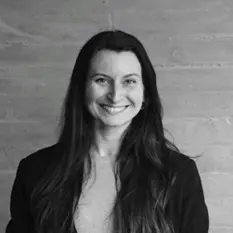
Neurodiversity encompasses many forms and a wide spectrum of different life experiences that shape students’ everyday lives. Through respectful and sensitive dialogue, we aim to collectively gather experiences and strategies that not only foster understanding but also inspire new perspectives and ideas. In collaboration with affected students, topic-specific breakout rooms will be created to provide spaces that are as safe and private as possible for you to discuss your concerns.
Elena Schaub works in the Key Competencies division at the Center for Higher Education Pedagogy at the Technical University of Darmstadt. Over the past 11 years, she has worked in various areas related to diversity and inclusion and has developed educational formats for schools, colleges, and museums. In addition to training tutors, she is currently focusing on diversity-sensitive teaching in higher education.
CONTACT: Dr. Maria Clippard, Hochschuldidaktische Arbeitsstelle (HDA)/Schlüsselkompetenzen, maria.clippard@tu-darmstadt.de
15:30-17:00
Recognizing and Avoiding Stereotypes (KIT, Dr. Alexa Maria Kunz)
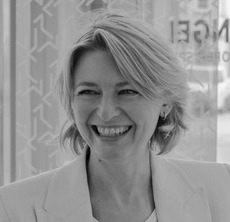
As human beings, we make sense of the world and connect with others by drawing on patterns of perception. Sometimes, however, we tend to overdo it with our orientation and fall into prejudices and stereotypes. This makes it harder to get along well with others and has further negative consequences—for us and for others. In this workshop, we’ll explore the basic principles of stereotypes and practice how to use our orientation patterns without resorting to stereotyping.
Alexa is a sociologist with a background in adult education and a certified intercultural trainer. She translates sociological theories and empirical findings into practice-oriented teaching. True to the motto “Knowledge grows when it is shared,” she looks forward to exploring together what happens behind the curtain of our everyday perceptions. At KIT, she is the deputy executive director of the House of Competence (HoC) and head of the HoC Methods Lab.
CONTACT: House of Competence (HoC), info-sq@hoc.kit.edu
Meeting-ID: 642 6289 3151
Passcode: fX@Ui%8s
18:30-20:00
Students as “Change Agents” and “Future Professionals” for Sustainability Transformation Processes (TU Braunschweig, Prof. Dr. Mandy Singer-Brodowski)
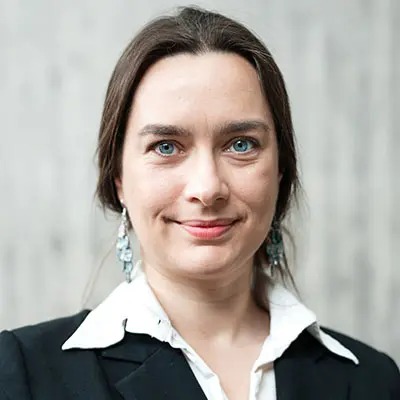
Students from a wide variety of disciplines are not only “professionals” when it comes to the necessary transformation processes toward sustainability—with an eye toward their future careers—but also “change agents” in matters of society. The lecture focuses on the question of what skills students should develop for this purpose and what a higher education program that best supports them in this regard might look like.
The lecture is part of the “TU for Future” lecture series. Held annually during the winter semester at TU Braunschweig, the series addresses current issues related to sustainability and climate protection. It is organized by the Green Office, TU Braunschweig’s office for education for sustainable development. The Green Office is jointly run by university staff and students and is committed to strengthening and embedding sustainability in academic studies, teaching, and university development.
Prof. Dr. Mandy Singer-Brodowski is a professor of Education for Sustainable Development at the University of Regensburg. She studied education, as well as special education and inclusive education, at the University of Erfurt and was a co-founder of netzwerk n. Her research focuses on higher education for sustainable development, transformative science, and transformative learning.
CONTACT: Future Skills Lab, wasmitmedien@tu-braunschweig.de
Passcode: TU4F
Thursday, Nov. 12, 2026
09:00-10:30
Embracing Linguistic Diversity with Confidence in Everyday Student Life (TU Darmstadt, Elena Schaub)
Languages not only make it easier to connect with people; they also open doors to new ideas and knowledge that would otherwise remain hidden. Nevertheless, linguistic diversity is often not seen as a valuable resource, especially when it is linked to migration histories. This workshop is designed to show you ways in which linguistic diversity can be confidently embraced and promoted in everyday student life.
Elena Schaub works in the Key Competencies division at the Center for Higher Education Pedagogy at the Technical University of Darmstadt. Over the past 11 years, she has worked in various areas related to diversity and inclusion and has developed educational formats for schools, colleges, and museums. In addition to training tutors, she is currently focusing on diversity-sensitive teaching in higher education.
CONTACT: Dr. Maria Clippard, Hochschuldidaktische Arbeitsstelle (HDA)/Schlüsselkompetenzen, maria.clippard@tu-darmstadt.de
09:00-12:00
Scientific Writing (en) (RWTH Aachen, Dr. Carole Veldman-Genz)
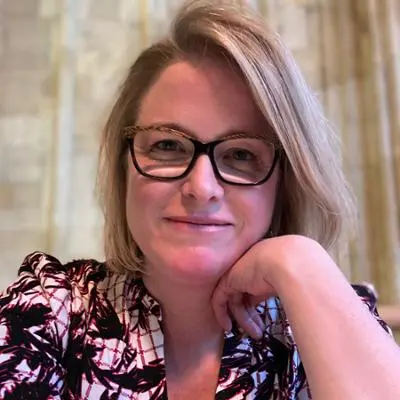
This 3-hour workshop introduces the principles of effective scientific writing, with a focus on writing from the reader’s perspective. Participants will learn how to improve clarity, precision, concision, coherence, and readability by applying key conventions of academic writing. Through practical examples and exercises, they will develop strategies for producing clear, engaging, and reader-friendly scientific texts.
Carole Veldman-Genz is Head of English at the RWTH Writing Center. She specializes in scientific writing, grant writing, and research communication, designing workshops and consultations that help researchers write clear, persuasive, and reader-focused texts. Her teaching combines practical strategies with insights from writing research to improve the readability and impact of academic publications and grant proposals.
KONTAKT: RWTH-Schreibzentrum, schreibzentrum@sz.rwth-aachen.de
Meeting ID: 965 1214 7213
Passcode: 388272
10:30-12:00
Applying for a Job with AI (Leibniz Universität Hannover, Linda Stoislow)
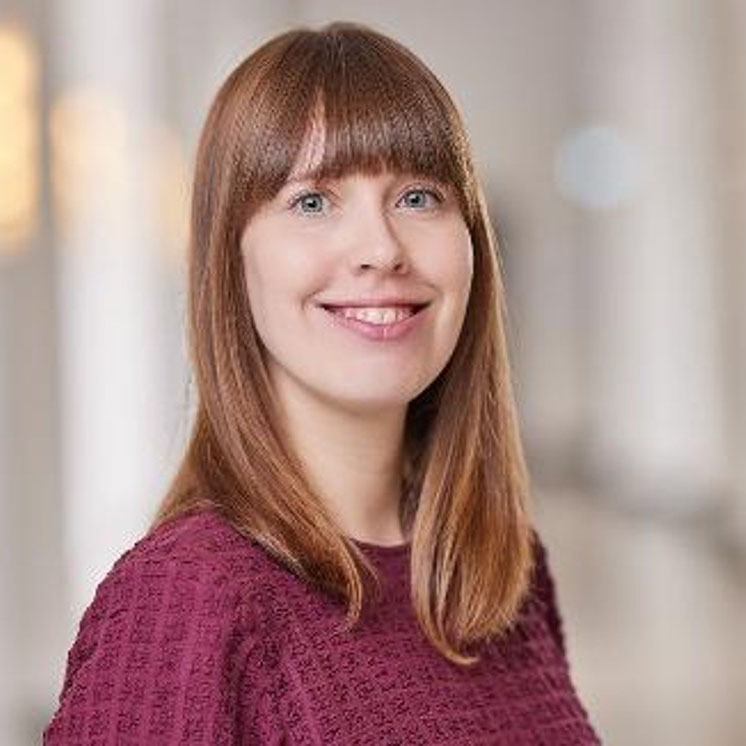
Artificial intelligence has long been part of the job application process. In this event, you’ll learn how AI tools can help with career guidance, preparing application materials, and preparing for job interviews. We’ll explore the possibilities AI offers, its limitations, and what you should keep in mind regarding data protection, quality, and transparency. During the Q&A session that follows, you’ll have the opportunity to ask any questions you may have about the use of AI in the job application process.
Linda Stoislow holds a Master of Arts in Educational Sciences with a focus on adult education and has been working in this field for eleven years. With her additional qualification as a systemic counselor, she combines professional expertise with a resource-oriented, individualized counseling approach. She currently works as a counselor and trainer at Leibniz University Hannover in the Central Office for Quality in Studies and Teaching (ZQS) within the Career Service’s ZQS/Key Competencies unit, where she supports students with career orientation and career entry. In this role, she helps students from all disciplines recognize their own strengths and chart their career paths with clarity and confidence.
CONTACT: Zentrale Einrichtung für Qualität in Studium und Lehre (ZQS), Abteilung Schlüsselkompetenzen , reale@zqs.uni-hannover.de
12:30-14:00
Risk Technology and Risk Society (en) (Universität Stuttgart, Stefan Gammel)
How do we make responsible decisions when technological advancement outpaces certainty? This 90-minute workshop explores the critical dimensions of risk, uncertainty, and ignorance in modern technology. We begin with a foundational discussion reframing risk beyond simple calculation – distinguishing measurable risk from “normal risk” and mapping the shift from known uncertainties to (sometimes complete) ignorance. Next, we engage in a short interactive case analysis, to examine classic real-world failures such as the Space Shuttle Challenger accident and the Chernobyl fallout to uncover organizational blind spots and accountability gaps. The workshop concludes with reflections on the implications for the latest technological developments, questions of responsibility, and who holds the authority to legitimize risk.
Stefan Gammel has a background in philosophy, German studies, and English studies; his areas of focus include the philosophy of technology, the ethics of technology, new and emerging technologies, and regulatory aspects, as well as related visions. For many years, he has worked on ethical research projects related to nanotechnology and other new technologies as part of European research initiatives.
CONTACT: Zentrum für Lehre und Weiterbildung (zlw), Bereich: Fachübergreifende Schlüsselqualifikationen (FÜSQ) sq@zlw.uni-stuttgart.de
Meeting-ID: 2783 988 9973
Passcode: fRUHsWMN855
14:00-17:00
Creative Writing (RWTH Aachen, Dr. Christoph Leuchter)
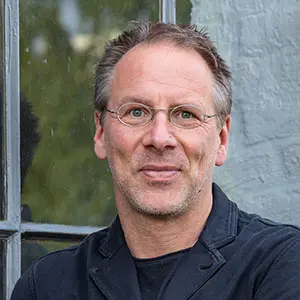
How do initial ideas come about? How do they turn into texts? And how does creativity actually work? – This short workshop offers some initial insights into the “creative” process: You’ll learn creativity techniques, gain new writing experiences, and—in just three hours—create short pieces: a portrait, a scene, a story, and maybe even more. After the course, you’ll—we promise!—be less afraid of the infamous blank page, have a few tools to combat writer’s block, and definitely have some new pieces of writing to take home.
Christoph Leuchter directs the Writing Center at RWTH Aachen University, which he founded in 2012, initially as the Center for Creative Writing. He holds a Ph.D. in literary studies and has worked as an editor for various publishing houses. In 2012 and 2013, his two novels, *Letzter Akt* and *Amelies Abschiede*, were published by Steidl Verlag. In 2022, he published the short story collection *Keine Welt*. Christoph Leuchter primarily teaches creative and journalistic writing.
CONTACT: RWTH-Schreibzentrum, schreibzentrum@sz.rwth-aachen.de
Meeting-ID: 677 0249 9737
15:30-17:00
Staying Mentally Strong Throughout the Day (TU Darmstadt, Tobias Blank, Lea Sahm)
Emotions and beliefs influence how we think, feel, and act—and thus also how we deal with challenges in everyday university life. In this course, you’ll learn effective techniques for building your mental resilience and emotional balance. The methods are scientifically grounded, proven in practice, and easy to apply. You can try out selected exercises right away and use them in your studies, career, and daily life.
Tobias Blank heads the Center for University Pedagogy at TU Darmstadt.
A sociologist, he is an experienced facilitator and guide in university development processes. As a mediator and systemic coach, he supports leaders and their teams in boldly creating a shared future and bringing it to fruition in a sustainable way.
Lea Sahm works at the Center for Teaching and Learning at TU Darmstadt, focusing on mental resilience and emotional balance. As a psychologist and a nurse specializing in pediatric and adolescent health, she has worked in both child and adolescent psychiatry and adult psychiatry. As part of her work, Lea Sahm develops workshops and tools that help students build mental resilience and thereby promote their long-term mental health.
CONTACT: Dr. Maria Clippard, Hochschuldidaktische Arbeitsstelle (HDA)/Schlüsselkompetenzen, maria.clippard@tu-darmstadt.de
Meeting-ID: 631 3348 4397
Passcode: 698009
Friday, Nov. 13, 2026
09:00-10:30
When Does AI Maxxing Turn into Skill Skipping? The Use of AI in Higher Education Under Scrutiny (Universität Stuttgart, Kim Méliani)
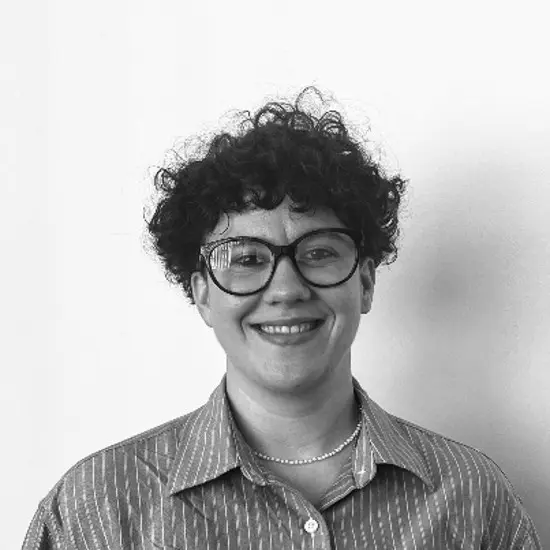
For many students, generative AI has long been part of everyday life: when researching, writing, programming, and solving practice problems. It will shape their daily work lives just as much in their future careers. The push to use AI as extensively as possible (AI Maxxing) raises questions about the consequences for skill acquisition. It remains unclear under what conditions this leads to skill development (up-skilling) and when learning stages are skipped without the corresponding skills being acquired (skill-skipping). The workshop addresses this tension by distinguishing between the support of and the takeover of cognitive processes. In addition, the increasingly strategic question of when, how, and to what extent AI is used effectively comes into focus. The starting point is findings from an AI-supported statistics course; the core of the workshop consists of a moderated exchange of experiences in which participants share their own AI practices, compare them, and reflect on their contribution to learning.
Kim Méliani is a research assistant and doctoral candidate at the University of Stuttgart’s Institute of Education, Department of Vocational, Business, and Technical Education. Her research focuses on the development of statistical literacy during college and the use of AI-supported teaching and learning approaches. In addition to her academic work, she is a systemic coach who supports people in areas such as stress management, change processes, and conflict resolution. Prior to her current position, she worked for several years as a consultant at a human resources consulting firm specializing in executive-level roles. This combination of university teaching, empirical educational research, and consulting practice also shapes her perspective on the use of AI in learning and in everyday work life.
CONTACT: Zentrum für Lehre und Weiterbildung (zlw), Bereich: Fachübergreifende Schlüsselqualifikationen (FÜSQ) sq@zlw.uni-stuttgart.de
10:30-12:00
GWP and AI? The Importance of Scientific Integrity in the Age of AI (TU Braunschweig, Bianca Lackmann)

Good Scientific Practice (GWP) is the foundation of scientific work. Knowledge of guidelines and the pitfalls of research misconduct is the foundation for confident action. Good Scientific Practice is essential, particularly given the influence of artificial intelligence in research and teaching. AI presents both opportunities and challenges. Only authenticity and transparency can ensure that the integrity of science is maintained. This presentation will cover the fundamentals of Good Scientific Practice and outline how they relate to AI literacy.
Bianca Lackmann earned a bachelor’s degree in German and English before completing an interdisciplinary master’s program in “Culture of the Technological and Scientific World.” She works at the Braunschweig University Library, where she is part of the Learning Services team, among other roles. The Learning Services team’s courses focus on teaching information literacy.
CONTACT: Future Skills Lab, wasmitmedien@tu-braunschweig.de
CONTACTS
RWTH-Schreibzentrum: schreibzentrum@sz.rwth-aachen.de
Christine Herker, Career Service: career@tu-berlin.de
Future Skills Lab: wasmitmedien@tu-braunschweig.de
Dr. Maria Clippard, Hochschuldidaktische Arbeitsstelle (HDA)/Schlüsselkompetenzen: maria.clippard@tu-darmstadt.de
Career Service: career.service@tu-dresden.de
Zentrale Einrichtung für Qualität in Studium und Lehre (ZQS), Abteilung Schlüsselkompetenzen: reale@zqs.uni-hannover.de
House of Competence (HoC): info-sq@hoc.kit.edu
School of Engineering and Design (ED), Zentrum für Schlüsselkompetenzen (ZSK), zsk@ed.tum.de
Zentrum für Lehre und Weiterbildung (zlw), Bereich: Fachübergreifende Schlüsselqualifikationen (FÜSQ): sq@zlw.uni-stuttgart.de